Got more questions? Get in touch with our support team either at contact@mtd-makingtaxdigital.co.uk or via the WhatsApp button on the website. We are happy to help.
Making Tax Digital (MTD) is an HMRC initiative that requires eligible taxpayers to keep digital records and submit tax information using compatible software. The aim is to improve accuracy, reduce errors, and modernise the UK tax system.
Making Tax Digital for Income Tax starts from April 2026 for self-employed individuals and landlords whose qualifying income exceeds HMRC thresholds. The requirements will be introduced gradually, affecting more taxpayers over the following years.
Making Tax Digital applies to self-employed individuals and landlords whose qualifying income exceeds the relevant HMRC threshold. The rules are being introduced in phases and may apply to more taxpayers in future years.
From April 2026, taxpayers with qualifying income above £50,000 must comply with Making Tax Digital. The threshold reduces to £30,000 in April 2027 and £20,000 in April 2028. Qualifying income is based on gross income, not profit.
MTD-compatible software is HMRC-recognised software that allows users to maintain digital records, track income and expenses, and submit updates directly to HMRC in the required digital format.
If you meet the qualifying income threshold, you will need to register for Making Tax Digital before submitting updates. Registration ensures your software is connected correctly and your reporting remains fully compliant.
Making Tax Digital requires quarterly updates throughout the tax year, followed by a final declaration. Meeting deadlines is important to maintain compliance and avoid unnecessary penalties or reporting issues.
Yes. You can continue using spreadsheets if they are connected to HMRC through approved bridging software. This allows you to maintain digital records while still meeting Making Tax Digital requirements.
Missing a quarterly update may result in penalty points or fines from HMRC. It is important to submit updates as soon as possible and ensure future submissions are completed on time.
Yes. Many taxpayers use Making Tax Digital software alongside their accountant. This allows records to be maintained digitally while still benefiting from professional advice, reviews, and tax planning support.
Yes. Landlords whose qualifying income exceeds the relevant HMRC threshold must comply with Making Tax Digital. This includes maintaining digital records and submitting updates using compatible software.
Making Tax Digital thresholds are based on gross income or turnover rather than profit. This means your total income from self-employment and property is considered before expenses are deducted.
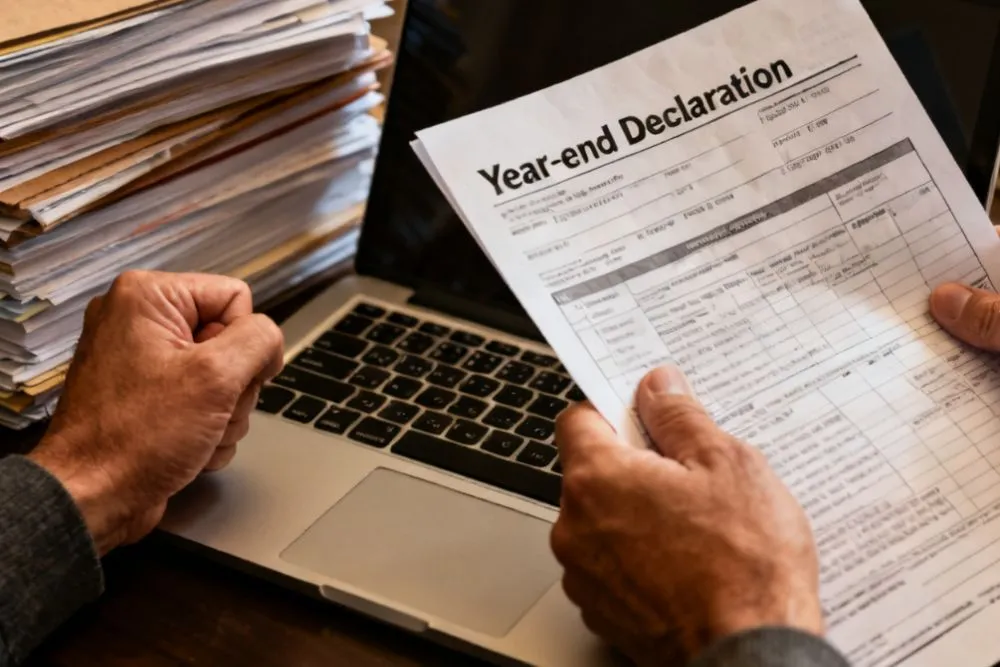
A final declaration is still required at the end of the tax year. Making Tax Digital changes how information is reported throughout the year but does not remove all year-end reporting obligations.
You must keep digital records of income, expenses, and other relevant financial transactions. Accurate record keeping helps ensure compliance and makes quarterly reporting significantly easier.